
Many employees face ongoing inappropriate behavior at work—comments about appearance, unwanted physical contact, suggestive messages, or pressure tied to career opportunities—yet stay silent due to concerns about job security, professional reputation, or future opportunities.
William K. Phillips, founding and managing partner of Phillips & Associates, a leading plaintiffs’ employment law firm serving New York, New Jersey, Pennsylvania, and Florida, emphasizes how authority often insulates wrongdoers from consequences.
“Harassment continues in workplaces not because it goes unnoticed, but because authority protects those responsible,” Phillips said. “True change requires leadership commitment and systems that prioritize employee safety over status or performance metrics.”
Understanding the Barriers to Reporting Harassment
When misconduct involves someone in a leadership role—such as an executive, partner, or high-revenue generator—standard reporting processes frequently break down. Colleagues may avoid involvement, and human resources teams can face pressure to minimize issues.
Victims often weigh difficult options: report and potentially face isolation, stalled advancement, or negative references, or remain quiet to safeguard their position. These risks feel especially heavy for those who have built long-term careers and professional networks.
Licensed professional counselor and neuro-psychotherapist Deirdre Arato offers insight into common responses:
“When authority figures overstep boundaries, the body’s survival instincts take over. Rational thinking pauses, and a freeze response kicks in—not as weakness, but as built-in protection. Many cannot immediately object or walk away because their system senses threat and focuses on safety.”
Viewing this reaction as a natural safeguard, rather than inaction, supports recovery and reduces self-judgment.
How Authority Enables Misconduct
People with influence may gradually test boundaries—through repeated invitations, remarks on appearance, physical contact, or implications that cooperation affects opportunities. Rejection does not always end the behavior.
Organizations sometimes prioritize protecting key contributors, leading to overlooked complaints and entrenched patterns. This dynamic fosters environments where fear overrides open communication.
Even interactions that seem mutual—ongoing messaging, shared meals, or extended relationships—rarely reflect equal choice when one party controls evaluations, assignments, or promotions. Genuine consent requires balanced power, which these situations lack.
Breaking the Cycle of Protection
Effective prevention starts with clear policies enforced at every level. Independent investigations, consistent outcomes regardless of position, and training focused on authority dynamics build trust. Safe, confidential reporting options encourage early intervention, while documentation and experienced counsel help employees navigate options confidently.
Phillips & Associates represents workers exclusively, never employers. Employees often seek the firm’s help for its track record of discreet, high-value outcomes, exclusive plaintiff focus, and ability to protect both current employment and legal rights.
Through HarassmentHelp.org, the firm also provides free educational resources to help individuals recognize issues early and understand available protections.
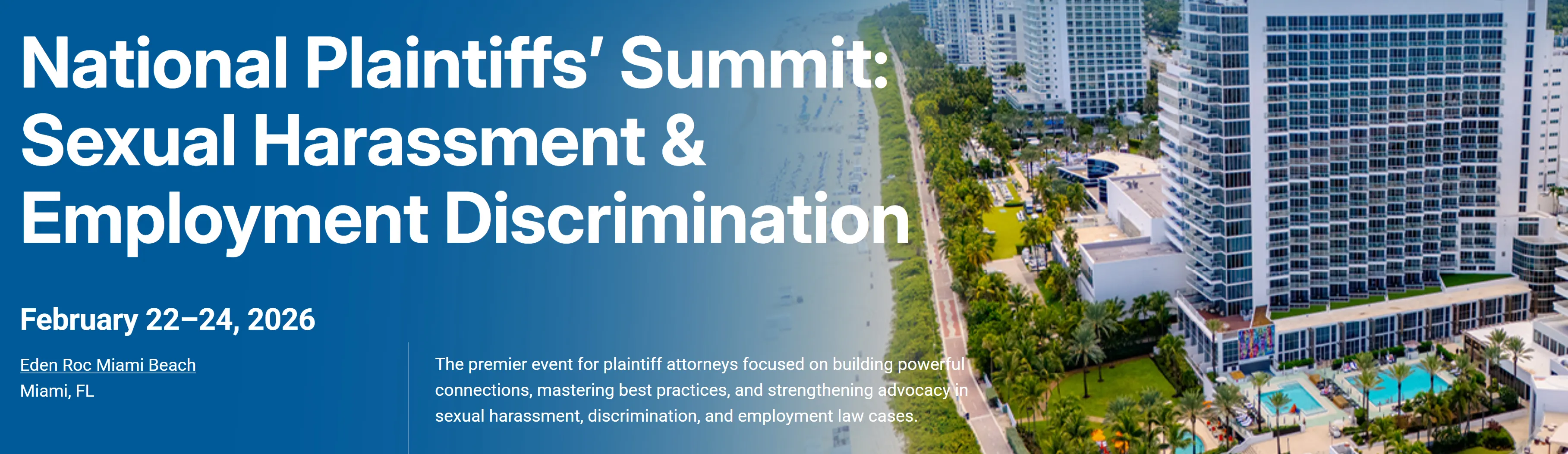
Upcoming National Gathering on Workplace Rights
Phillips & Associates, in partnership with HarassmentHelp.org, will co-host the 2026 National Plaintiffs’ Summit on Sexual Harassment and Employment Discrimination, scheduled for February 22–24, 2026, at the Eden Roc Miami Beach.
The three-day program will convene top plaintiff attorneys, mental health experts, investigators, mediators, and policy advocates to examine authority dynamics in litigation and share advanced approaches to systemic reform.
Professionals interested in attending can find details and registration here: https://www.americanconference.com/national-plaintiffs-summit/
If you believe you are experiencing workplace misconduct, you are not alone. Phillips & Associates provides confidential consultations to review situations, explain rights, and outline possible next steps. Statutes of limitations apply. Contact us today at (866) 229-9441 to discuss your unique situation and strengthen your options.